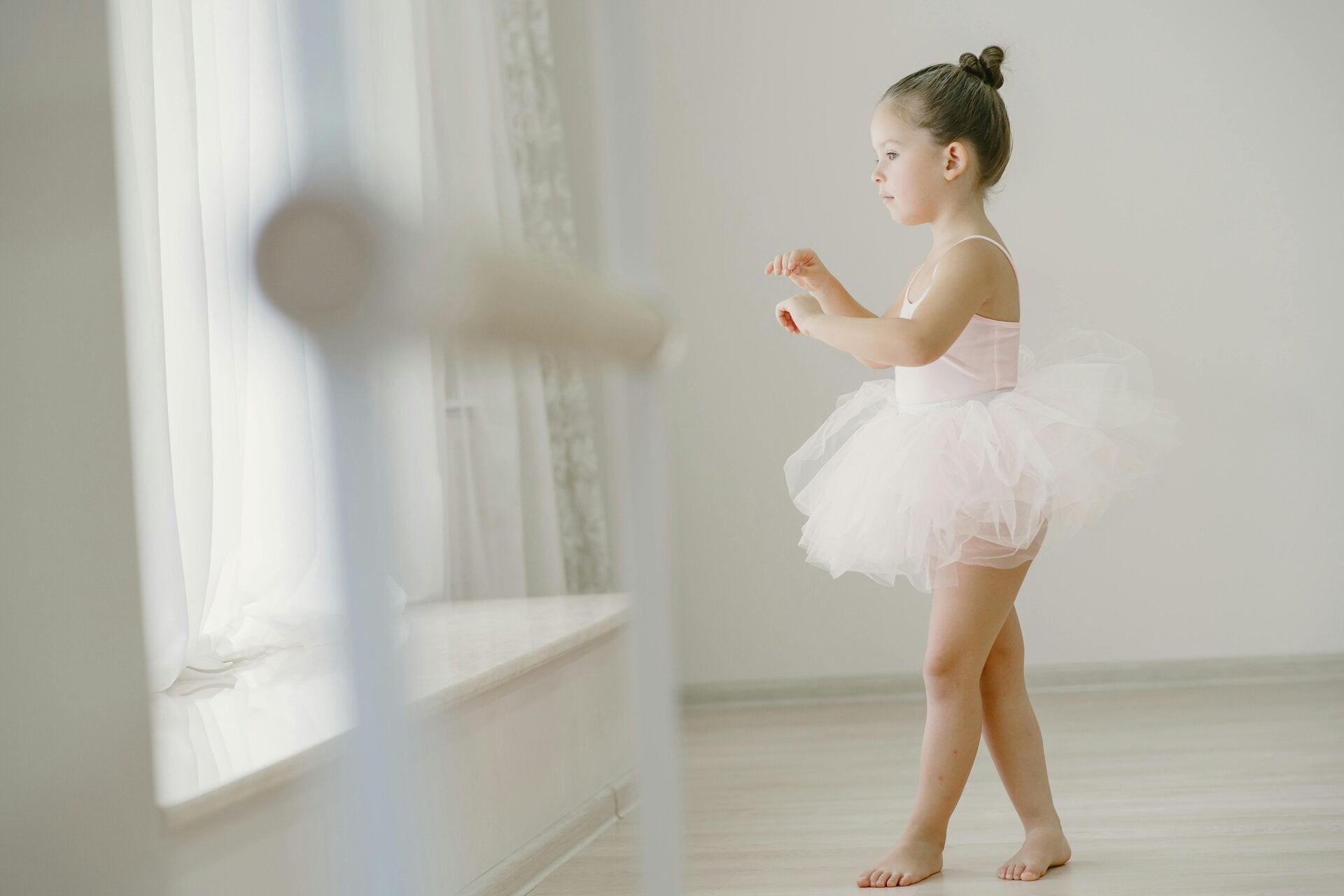
Introduction to Dance as a Discipline
Dance is an art form that only a select few choose to pursue, yet it is one of the most intense and demanding sports. It pushes dancers beyond their limits and challenges them to grow mentally, physically, and emotionally. More than learning movement, dance builds confidence to perform in front of audiences, peers, and judges.
But what does this mean within the lens of a discourse community?
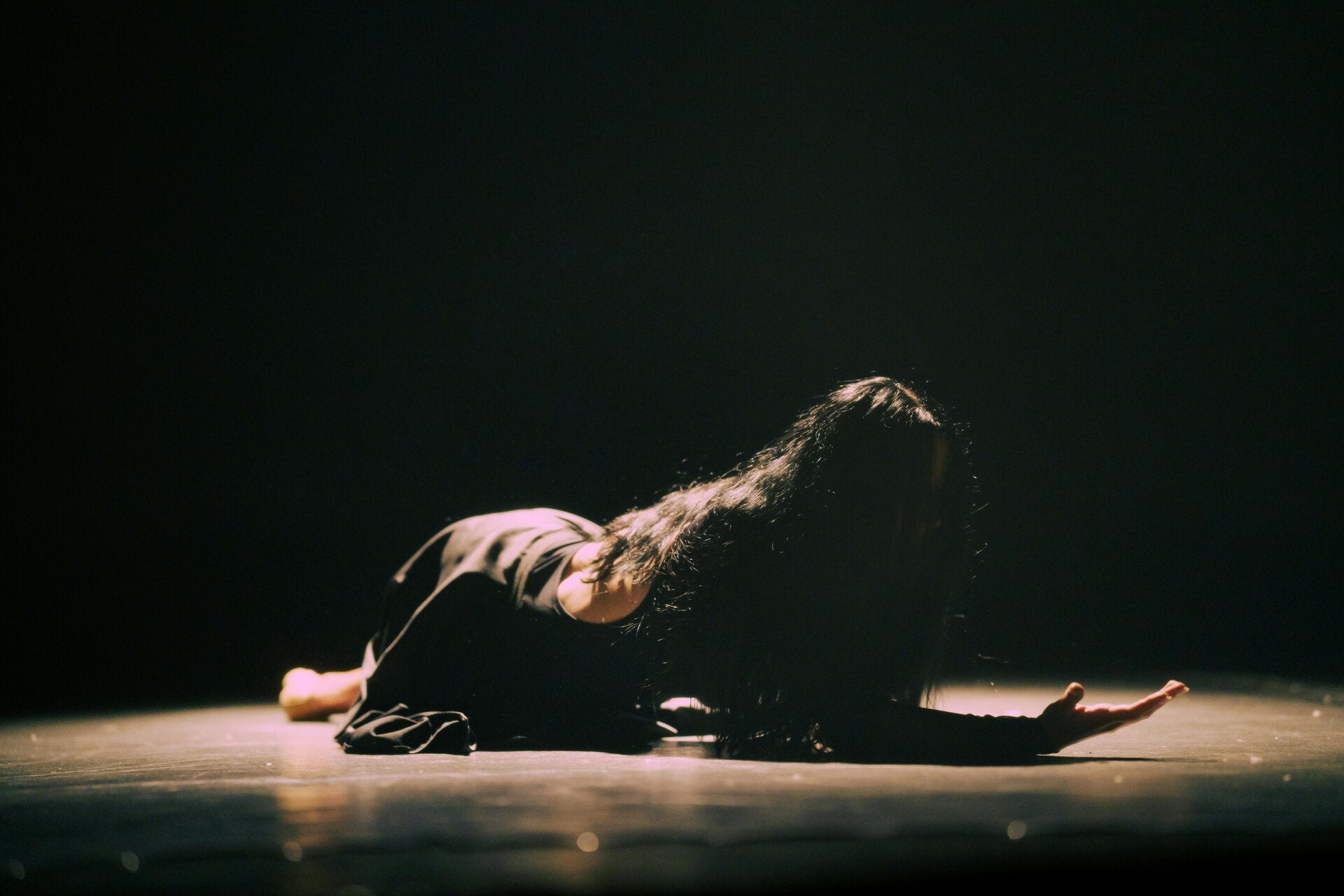
Dance as a Discourse Community
The discourse community of dance, like many sports, is built on passion, shared goals, and deep bonding experiences. While dancers function as individuals, they also rely on the collective strength of their team or studio. This community supports dancers from their first class all the way through their final performance. Dance has existed for centuries and remains a participatory sport, though participation has declined. The significant time commitment includes long hours of practice, missing social events, and sacrificing personal time often discourages young dancers. However, those who stay and dedicate themselves to the art gain lifelong skills, discipline, and meaningful lessons.
Individuality & Shared Goals
One defining feature of the dance community is its inclusivity. As long as a dancer contributes effort, energy, and commitment, they are welcomed.
Within this community, shared goals include:
-
Technical growth
-
Emotional expression
-
Storytelling through movement
-
Collaboration
Dancers work together to bring stories to life, relying on facial expressions, technique, and choreography to communicate meaning.


The Role of Teachers and Changing Social Dynamics
Even though dance centers around individual expression, instructors play a major role in guiding students, shaping choreography, and teaching how to express emotion through movement. The student teacher connection is one of the strongest bonds within the dance community.
However, dance culture has shifted significantly over time. The rise of social media (especially TikTok) changed how dance is viewed and practiced. COVID-19 also disrupted traditional learning classes moved to Zoom, altering the social experience and the way dancers connected
Self Expression and Social Awareness
Dance is not only a popular sport but also a form of self advocacy. Whether performing at an event for a cause or putting on a showcase, dancers must express themselves clearly and connect with their audience. This requires emotional awareness, social understanding, and personal creativity. Dance creates memories, builds self confidence, and teaches dancers how to present themselves to the world. With countless styles and techniques, dance allows individuals to find the form of expression that best reflects their identity and their message.

Conclusion - The Power of Confidence
While dance brings many qualities to those who pursue it, the most important is self-confidence. Dancing teaches individuals to trust themselves, communicate their emotions, and make independent decisions. Even with instruction from teachers, dancers ultimately learn to take control of their own expression.
Create Your Own Website With Webador